
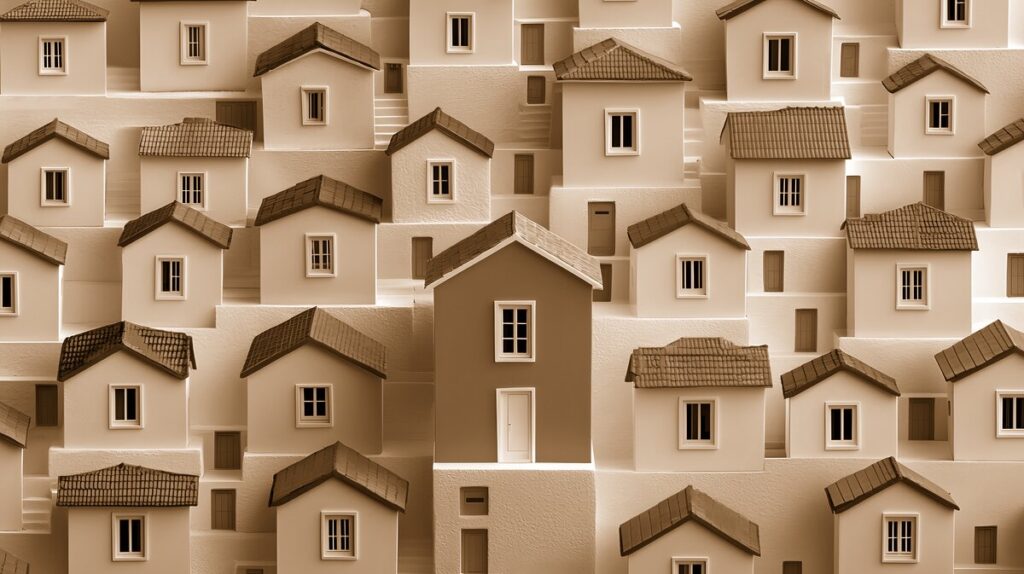
Dutchtown, one of Rochester’s oldest and most storied neighborhoods, is a place where history lives in every brick, street, and stoop. Tucked between Jefferson Road and the Genesee River, bounded roughly by Child Street and Ford Street, Dutchtown remains a testament to the city’s layers of immigrant history, industrious spirit, and evolving community life.
Origins: From Farmland to Flourishing Neighborhood
The story of Dutchtown begins in the 19th century, soon after Rochester’s explosive growth as “The Flour City.” While it’s called “Dutchtown,” the area actually became home to a mosaic of European immigrants—predominantly German, with large populations of Dutch, Polish, and Irish families following. The roots of its name are a local adaptation of the German word “Deutsch,” meaning “German”—not necessarily a direct reference to people from the Netherlands.
Dutchtown’s first settlers arrived in the early 1800s, drawn by work in Rochester’s booming mills and factories lining the Genesee River. They built sturdy houses, often of brick, along what’s now known as Columbia Avenue, Ames Street, and Magnolia Street. Faith, family, and hard work defined daily life, leaving a legacy still reflected in the sturdy, centuries-old homes and churches.
How Dutchtown Got Its Name
Despite its moniker, “Dutchtown” owes its identity primarily to the influx of German-speaking immigrants. As they settled in the area, their language and customs earned the neighborhood its name—though locals, with a wink, always clarify to newcomers that most of the original residents were, in fact, German. Over time, the blend of cultures only deepened the richness of the Dutchtown identity.
Key Historical Milestones
- Mid-1800s—Industrial Boom:
The Erie Canal and burgeoning railway lines made westside Rochester a hub for jobs and growth. Dutchtown’s location near the Second and Third Wards positioned it at the heart of textile, tobacco, and brewing industries. Factories like the old Stecher Lithograph Company, on Magnolia Street, provided generations of residents with employment.
- Late 19th Century—Catholic and Lutheran Heritage:
Religious life flourished, with St. Michael’s and Ss. Peter & Paul churches (on West Main and upper Lyell Avenue) serving as community anchors—hosting festivals, parades, and vibrant holiday traditions.
- Post-World War II—Changing Demographics:
Following World War II, new waves of immigrants from Puerto Rico, Eastern Europe, and Africa made Dutchtown home. The neighborhood’s adaptability is shown in its thriving cultural organizations and festivals, celebrating everything from Polish Easter to Puerto Rican Day.
- 1960s & 70s—Urban Renewal:
Like much of Rochester, Dutchtown experienced major changes with urban renewal projects, freeway construction, and shifts in the local economy. Though factories closed and populations dwindled, community organizations worked to keep the neighborhood strong.
- 21st Century—Community-Led Revitalization:
Today, organizations like the Dutchtown Neighborhood Association, active in block beautification and youth programs, help ensure old traditions blend seamlessly with new voices.
Notable Buildings and Landmarks
- The Stecher Lithograph Building (Magnolia Street):
Once a bustling center for printmaking and advertising, this historic structure now houses local businesses and artists—testament to the enduring spirit of ingenuity here.
- Ss. Peter & Paul Church (720 West Main Street):
A towering symbol of faith for generations, this stone church is a neighborhood landmark, known for its detailed stained-glass windows and cherished annual festivals.
- The Jones Square Park:
A beloved green oasis at the northern border, Jones Square Park has offered recreation and relaxation since the 1800s. Families gather here for summer concerts, picnics, or simply to enjoy the shade of hundred-year-old trees.
- Old-style Rowhouses on Ames Street and Columbia Avenue:
With their brick façades, arched windows, and tidy gardens, these homes are reminders of Dutchtown’s architectural legacy.
How Dutchtown Has Evolved
For nearly two centuries, Dutchtown has weathered waves of change—industrialization, migration, economic ups and downs. Yet, its greatest legacy may be the talent for reinvention, rooted in neighborliness and cultural pride. Sidewalks here echo with the laughter of children, the aromas of many global cuisines, and the music of neighborhood celebrations.
- Streets are now lined with taquerias, Caribbean bakeries, and East African shops.
- The annual “Dutchtown Days” festival draws people from all over the city, blending polka music with salsa dances, bratwurst with empanadas.
- Local schools and libraries, such as the Lincoln Branch Library on Joseph Avenue, provide safe spaces for learning, connecting past with present.
Despite challenges, Dutchtown’s residents have always come together. Whether through block clubs, mural projects, or food pantries, the neighborhood exemplifies the Rochester spirit of “helping hands.” New generations are preserving this heritage—one block at a time.
Why Dutchtown Remains Special
Ask any longtime resident, and they’ll say Dutchtown is about more than beautiful architecture or old trees—it’s about the sense of belonging. Neighbors still wave from porches, local businesses know your name, and volunteers plant tulips every spring. The echoes of its German humble beginnings, combined with vibrant new cultures, ensure that Dutchtown is not just a neighborhood, but a living, breathing part of Rochester’s story.
As you wander down Columbia Avenue, pause at Ss. Peter & Paul, or sit beneath the broad oaks of Jones Square Park, you’ll feel that blend of old-world pride and modern energy. Dutchtown endures—and continues to welcome newcomers with an open heart.